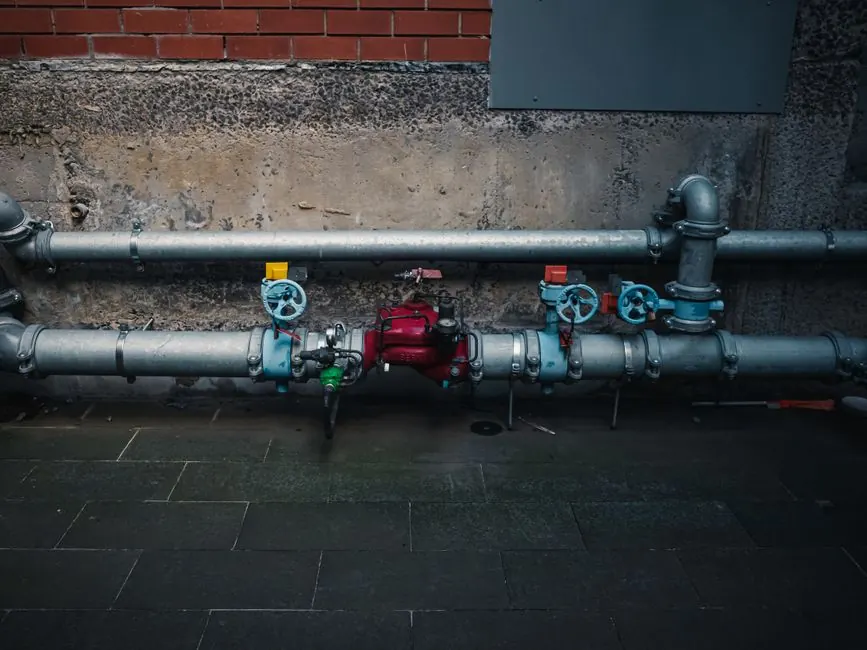
Winter in Louisville can bring frigid temperatures that pose a serious risk to your plumbing system. Burst pipes are not just an inconvenience; they can lead to extensive water damage and costly repairs. This article will guide you through understanding the causes of burst pipes and how to prevent them during the cold months.
Understanding Burst Pipes
Burst pipes occur when water inside them freezes and expands, causing the pipe to crack or break. The most common locations for burst pipes are in unheated areas like basements, attics, and crawl spaces. In Louisville, where winter temperatures can drop below freezing, homeowners need to be proactive in protecting their plumbing systems.
Common Causes of Burst Pipes
Several factors can contribute to burst pipes during winter:
- Freezing Temperatures: Pipes exposed to cold air are at the highest risk.
- Inadequate Insulation: Poorly insulated pipes can lead to freezing.
- Rapid Temperature Changes: Sudden warm spells can cause ice to thaw and refreeze, increasing pressure in the pipes.
- Water Flow Issues: Low water flow can lead to stagnant water, which is more likely to freeze.
Preventative Measures
Taking steps to prevent burst pipes is essential for every homeowner. Here are some effective measures:
- Keep the Heat On: Ensure that your home is heated adequately, especially in areas where pipes are located.
- Open Cabinet Doors: Allow warm air to circulate around plumbing fixtures, particularly in kitchens and bathrooms.
- Let Faucets Drip: Allowing a small trickle of water to flow can prevent pipes from freezing.
Insulating Your Pipes
Insulating your pipes is one of the best defenses against freezing. Here's how to do it:
- Pipe Insulation Sleeves: Use foam or fiberglass insulation sleeves to cover exposed pipes.
- Heat Tape: Apply heat tape to particularly vulnerable sections of piping.
- Seal Cracks: Inspect your home for drafts and seal any cracks or openings around windows and doors.
Monitoring Temperature and Water Flow
Keeping an eye on temperature fluctuations and water flow can help you catch potential issues early:
- Use a Thermometer: Monitor the temperature in areas where pipes are located.
- Check Water Pressure: Regularly check for any unusual drops in water pressure, which might indicate a leak.
What to Watch Out For
Be vigilant for signs that indicate your pipes may be at risk:
- Unusual Noises: Listen for strange sounds from your plumbing, such as banging or gurgling.
- Water Stains: Look for discoloration on walls or ceilings, which may indicate leaks.
- Increased Water Bills: A sudden spike in your water bill could signal a hidden leak.
When to Call a Professional
If you suspect that your pipes are at risk of bursting or if you notice any signs of a leak, it's crucial to call a professional. Louisville Plumbing Experts can provide prompt assistance with Emergency Plumbing Services Louisville to address any urgent issues. Regular maintenance can also help prevent future problems.
Frequently Asked Questions
What should I do if my pipes freeze? If you suspect your pipes are frozen, turn off the water supply and call a professional plumber to avoid bursting.
How can I tell if my pipe has burst? Look for water pooling in unusual areas, damp spots on walls, or a sudden drop in water pressure.
Can I prevent my pipes from freezing? Yes, by insulating your pipes, keeping your home heated, and allowing faucets to drip during extreme cold.
What are the signs of a plumbing emergency? Signs include sudden leaks, water stains, and unusual noises from your plumbing system.
How often should I check my plumbing during winter? Regular checks every few weeks can help catch potential issues before they escalate.